Job Sites Cleared for the Next Phase
Construction Debris Removal in Elizabethton for renovation projects, remodeling work, and contractor cleanup needs
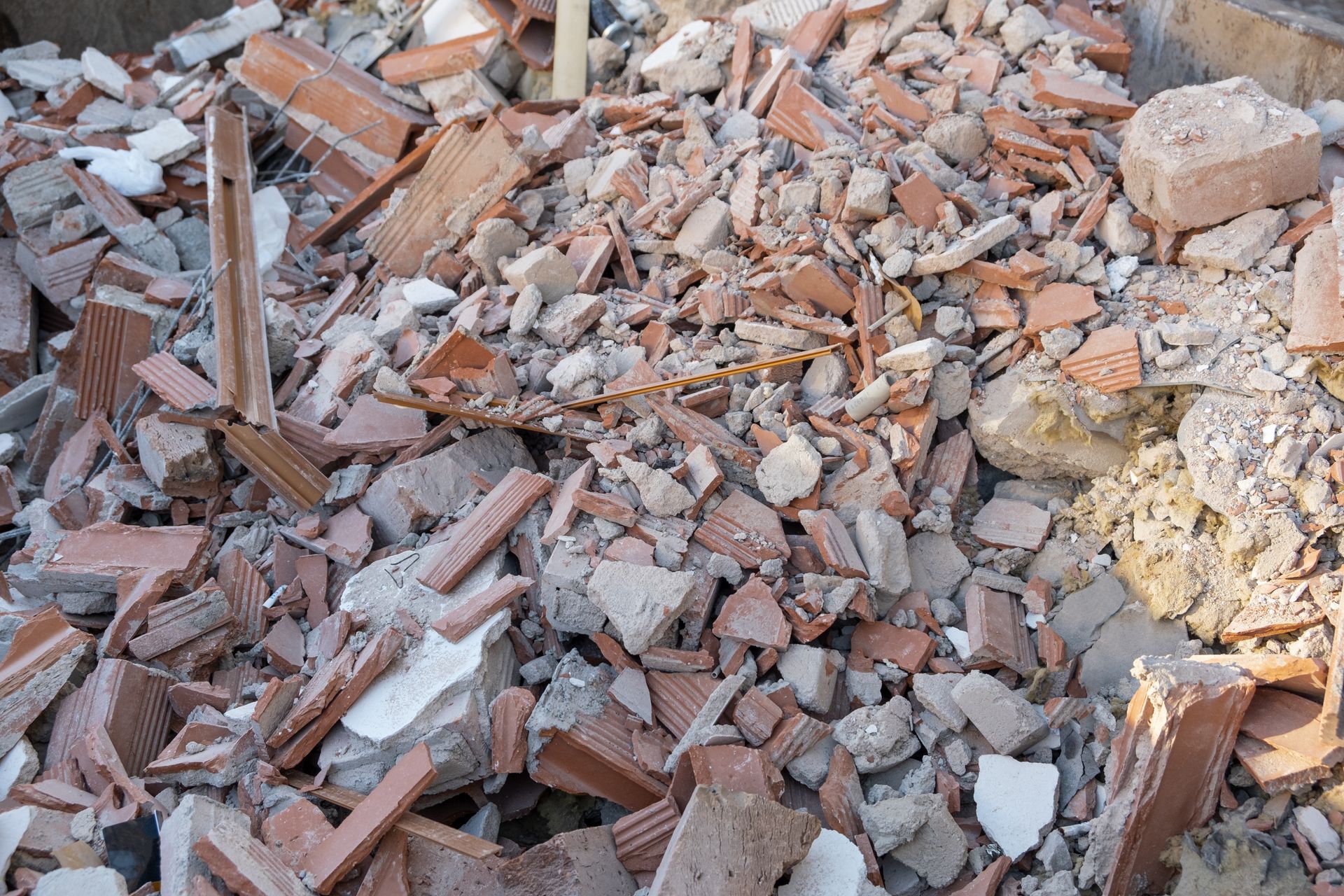
Drywall scraps stacked in corners, flooring material piled near exits, and roofing debris scattered across properties all accumulate during renovation and construction projects faster than most contractors and homeowners anticipate. Construction debris removal becomes necessary when leftover materials start interfering with ongoing work, when projects reach completion and sites need final clearing before inspections, or when contractors need support managing waste volume that exceeds their standard disposal capacity. Appalachian Junk Removal provides construction debris removal in Elizabethton for residential and commercial job sites, handling drywall disposal, wood and lumber hauling, flooring material removal, concrete and brick cleanup, roofing debris removal, and contractor cleanup support throughout project timelines.
The service addresses materials that construction dumpsters can't accommodate due to weight limits or prohibited items, debris that has accumulated in areas where a dumpster wasn't practical to place, and final cleanups where smaller volumes of leftover material remain after primary waste has been hauled but before properties can be considered finished.
Arrange a debris removal consultation to evaluate material volume and schedule hauling that aligns with your project phases.
What Changes After Construction Waste Is Cleared
Removing construction debris involves sorting materials by type when disposal facilities have specific acceptance requirements, loading heavy items like concrete chunks and drywall stacks that require equipment rather than manual handling alone, and clearing debris from multiple locations across a property where work has been performed in scattered areas. Roofing debris removal specifically targets shingle fragments, underlayment scraps, and fasteners that spread across lawns and driveways during tear-off work, creating hazards for tires and foot traffic long after the roofing project itself has finished.
Once debris is removed, job sites transition cleanly between work phases without old materials obstructing new installations, properties pass final inspections without leftover waste flagging code compliance issues, and homeowners can occupy renovated spaces immediately rather than navigating around debris piles waiting for disposal solutions. Contractors working on multiple projects maintain momentum without debris management slowing their ability to move between job sites efficiently.
This service removes materials generated by construction and renovation but does not include demolition work itself or hazardous material handling like asbestos-containing materials. If debris includes treated lumber, large concrete sections, or materials mixed with soil, disposal routing may vary based on what local facilities accept.
Questions Before Starting Your Project
Contractors and property owners managing renovations often ask about material types, timing coordination, and how debris removal integrates with project schedules.
What construction materials can be hauled through this service?
Drywall, wood framing, flooring remnants, roofing shingles, concrete pieces, brick, tile, cabinetry, and general renovation waste all qualify, though hazardous materials like asbestos or lead-based paint require specialized disposal outside standard debris removal.
How does construction debris removal work in Elizabethton neighborhoods with limited access?
Debris is loaded from the nearest accessible point, whether that's a driveway, street, or staging area, and properties with narrow lanes or restricted parking require coordination to ensure hauling vehicles can position safely for efficient loading.
When should debris removal be scheduled during a renovation?
Scheduling mid-project removals prevents debris from accumulating to the point where it interferes with ongoing work, while final removals occur after construction is complete but before occupancy or final inspections.
What happens to construction debris after it's hauled away?
Wood and metal are typically separated for recycling, clean concrete may go to crushing facilities for aggregate reuse, and mixed debris heads to construction and demolition waste facilities that process materials according to local disposal regulations.
How is construction debris removal priced?
Pricing reflects material volume, weight, and type—drywall and wood are lighter and less expensive to dispose of than concrete or roofing debris, and mixed loads require more sorting before disposal than single-material hauling.
Appalachian Junk Removal supports contractors and property owners throughout Elizabethton with construction debris hauling that keeps projects moving forward. Schedule removal based on your specific project timeline and material volume.