Structures Removed Without the Contractors
Light Demolition Services in Elizabethton for sheds, decks, fences, and interior spaces that need dismantling before renovation or sale
A rotting deck becomes a liability rather than an asset when boards sag and railings loosen, while backyard sheds deteriorate past the point of repair after years of weather exposure. Light demolition services from Appalachian Junk Removal handle shed demolition, deck removal, fence tear-downs, interior demolition, and garage demolition across Elizabethton, along with complete debris hauling and cleanup afterward. The service addresses structures too large for standard junk removal but too small to justify hiring full-scale demolition contractors.
The crew arrives with hand tools, reciprocating saws, pry bars, and sledgehammers to dismantle structures piece by piece rather than using heavy machinery that damages surrounding landscaping. Deck removal involves extracting lag bolts from ledger boards, pulling nails from joists, and separating treated lumber from untreated wood for proper disposal. Fence tear-downs require digging out or cutting concrete footings, removing panels without damaging adjacent property, and hauling away old posts that won't pull free. Interior demolition strips out non-load-bearing walls, cabinetry, and fixtures while protecting floors and leaving structural elements intact.
Schedule a property visit to review the structure you need removed and confirm access for debris loading.
What Proper Demolition Requires
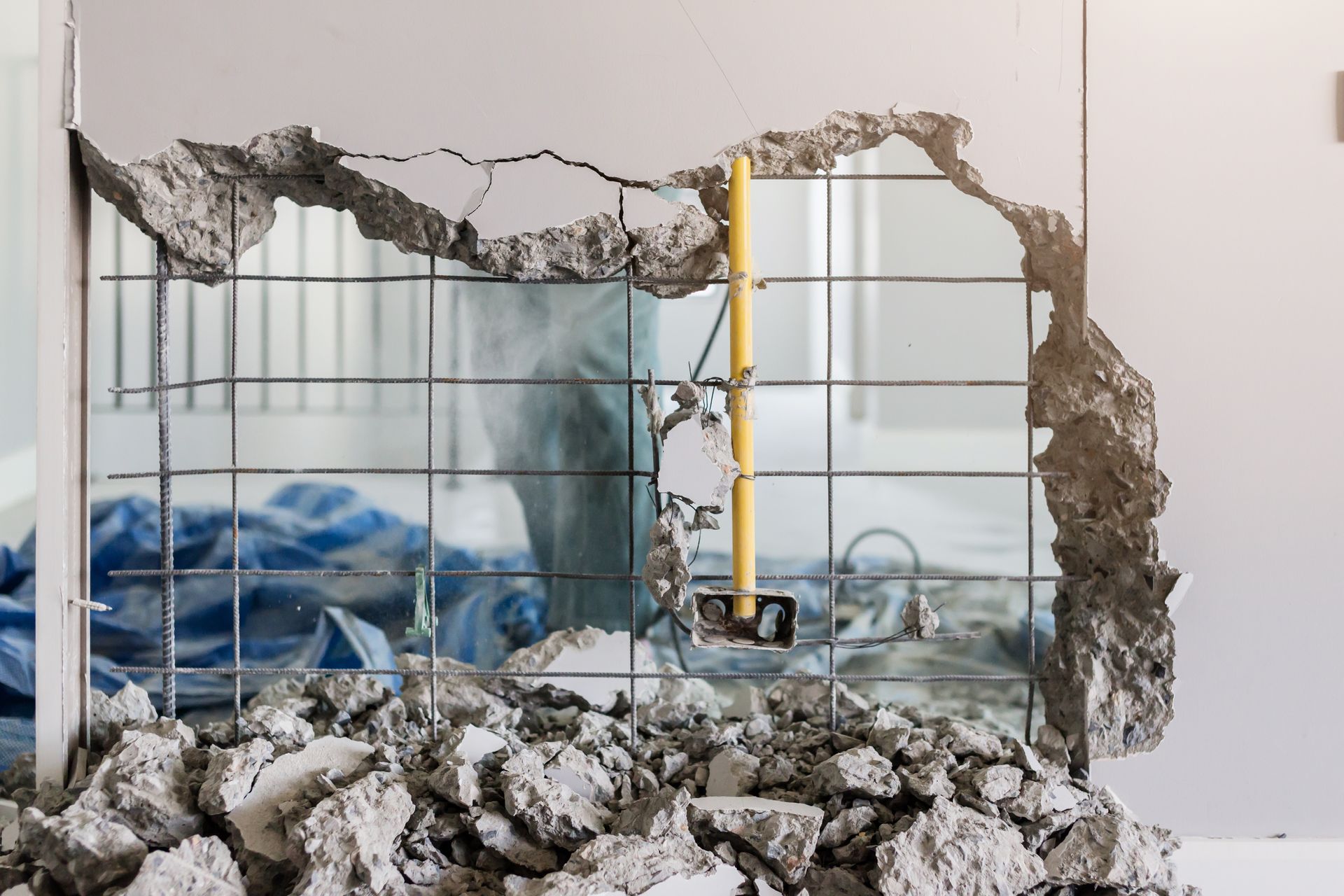
Safe light demolition starts with identifying which elements can be removed without affecting structural integrity or utility lines. The crew inspects for electrical connections running through walls before interior demolition begins, checks deck ledger boards for attachment to house framing before cutting support posts, and verifies fence lines match property boundaries before removal. Shed demolition involves disconnecting any electrical service, removing roofing materials first to reduce weight, then dismantling walls and floors in sequence.
After demolition completes, you see cleared ground where structures once stood, with all debris loaded and removed in the same visit. Yards regain usable space for new construction or landscaping, interiors open up for remodeling work to begin immediately, and properties lose the visual blight of deteriorating outbuildings that lower curb appeal. The site gets raked and leveled where structures were removed, eliminating protruding nails, splinters, and concrete chunks that pose safety hazards.
Debris hauling and cleanup differentiate light demolition from simple tear-down services where contractors demolish structures but leave homeowners responsible for disposal. The service includes sorting materials for recycling when possible, loading everything into trucks regardless of weight or volume, and disposing of treated lumber at facilities that accept chemically preserved wood. Garage demolition requires special attention to foundations and slabs, which may need breaking into smaller sections for hauling or left in place depending on future property plans.
Common Questions About This Service
Property owners considering structure removal need to understand what light demolition includes and how it differs from hiring specialized demolition contractors.
What structures qualify as light demolition versus requiring licensed contractors?
Light demolition covers non-structural elements like sheds, decks, fences, and interior walls that don't support loads, while major demolition involving structural walls, foundations, or entire buildings requires licensed demolition contractors with engineering oversight.
How long does typical deck removal take from start to cleanup?
Most residential deck demolition and debris removal completes in four to eight hours depending on deck size, fastener types, and whether concrete footings need extraction, with all materials hauled away the same day.
When does interior demolition make sense before renovation?
Interior demolition works best when you know exactly what walls and fixtures need removal but don't want to pay remodeling contractors their full hourly rate for demolition work they'll subcontract anyway.
Why do some fence tear-downs cost more than others?
Fence removal costs vary based on material type, with chain-link requiring different tools than wood privacy fences, concrete footings adding labor time, and total linear footage determining debris volume for disposal.
What happens to demolished materials after they leave your property in Elizabethton?
Metal components like fence posts and deck hardware go to scrap recycling, untreated lumber gets processed for mulch or biomass when clean, and treated wood or composite materials go to disposal facilities licensed for construction debris.
Appalachian Junk Removal provides light demolition services with complete debris removal throughout Elizabethton, handling projects too complex for junk hauling but too small for major demolition contracts. Book a site evaluation to review your structure and receive detailed pricing before work begins.